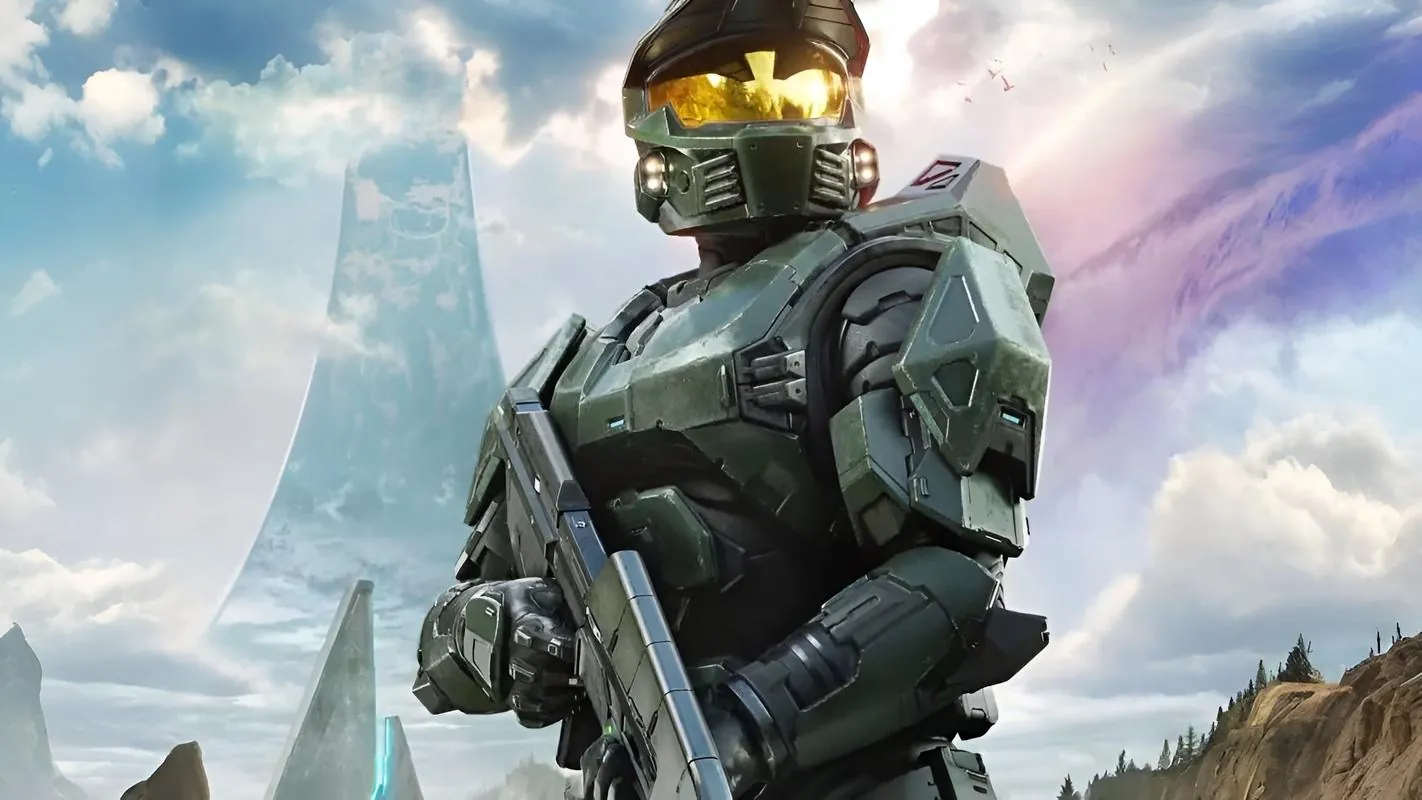
In the rapidly evolving debate over generative artificial intelligence in the entertainment industry, the voice of one of gaming’s most iconic heroes has officially weighed in. Steve Downes, the legendary voice actor behind Master Chief in the Halo franchise, has issued a direct request to the community: please stop using AI to replicate his voice.
Downes’ comments come at a time when voice actors across the industry are expressing growing concern over how AI technology creates unauthorized “sound-alikes” that can deceive audiences and threaten livelihoods.
Drawing the Line: “It Gets Into an Area I’m Uncomfortable With”
During a recent YouTube AMA (Ask Me Anything), Downes addressed the surge of AI-generated content appearing online. He admitted that he has seen numerous videos where his distinctive, gravelly voice has been recreated using controversial generative technology.
While Downes struck a balanced tone, acknowledging that he generally considers some voice cloning to be “harmless,” he emphasized the slippery slope the technology represents. His primary concern is that it could easily backslide and eventually “deprive an actor of [their] work”.
He drew a clear distinction between traditional fan creations and AI mimicry. “There’s a lot of fan projects that are really cool and done just from the heart,” Downes explained. “But when you get to the AI part and deceiving somebody that these are lines I actually spoke…that’s where we cross a line that gets into an area I’m uncomfortable with”.
For Downes, the issue isn’t just about copyright—it’s about consent and the potential for deception. He explicitly stated that he would prefer “it not be done [to me]”.
A Growing Industry Concern: The Case of Aloy
Downes is far from the only high-profile voice actor ringing the alarm bell. The Halo star’s comments mirror recent concerns raised by other industry veterans, including Ashly Burch, the voice of Aloy in the Horizon series.
Last year, a leaked test demo from Sony featured a “test bot” that utilized generative AI to mimic Burch’s voice for the character. Burch later released a video clarifying that she had been informed the bot was purely for demonstrative purposes and was not created using her specific face or voice data.
Despite this assurance, Burch expressed that she was still “worried” about the sanctity of game performances as an art form. Her concern, like Downes’, focused on the broader implications: how this technology might affect voice actors “below her” who may not have the leverage to protect their likenesses.
Microsoft, Xbox, and the AI Future
The conversation is particularly complicated for Halo because of its ownership. The franchise is owned by Xbox, whose parent company, Microsoft, has been aggressively integrating generative AI into its products and production pipelines.
Microsoft has partnered with various generative AI companies to create tools designed to assist with game development. While these tools are marketed as efficiency boosters, they have garnered significant criticism from both developers and players who fear the human element of game design is being eroded.
This tension has already reached the Halo franchise itself. Reports regarding the upcoming project, Halo: Campaign Evolved, have been murky. Last year, an insider alleged that the game was being made with the assistance of generative AI. In response, Halo Studios has been somewhat evasive, stating only that there was no “requirement” to use the technology, which some staff merely consider “a tool in a toolbox”.
As the lines between human performance and algorithmic generation continue to blur, Steve Downes’ request serves as a reminder that behind every iconic character is a real person asking for respect.