The Eastern United States is currently facing a potentially catastrophic weather event as a massive winter storm begins to pummel the region with heavy snow, sleet, and freezing rain. As of Friday morning, more than 170 million Americans are under winter weather alerts, with meteorologists warning that the system could leave millions without electricity in dangerously cold conditions.
The storm is impacting a massive 2,000-mile (3,200-kilometer) stretch of the country, extending from the Southern Rockies all the way to New England. However, the most severe threats regarding infrastructure and power stability are currently centered on the South and Southeast.
Why This Storm is a “Catastrophic” Threat to the Power Grid
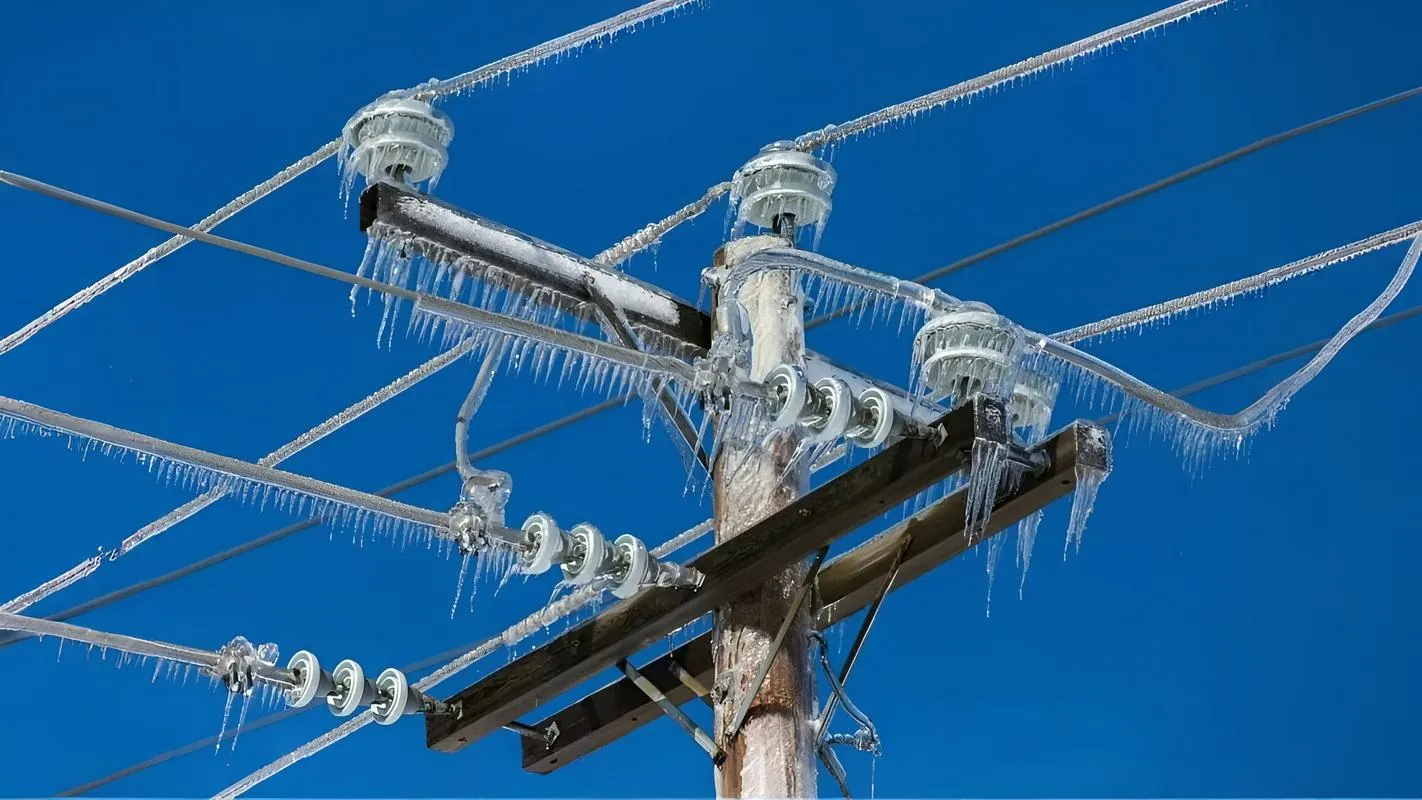
While snow is disruptive, the primary danger with this system is ice. According to the latest National Weather Service (NWS) update, significant to locally catastrophic ice accumulations are expected to substantially increase the risk of widespread power outages.
This risk is particularly acute in the Southern Plains, Lower Mississippi Valley, Tennessee Valley, and the Southeast. The reason for this localized danger is the warmer southern climate, which creates a vertical temperature profile in the atmosphere that melts snow into rain before it refreezes upon contact with the ground, trees, and power lines.
- The Ice Accumulation: The NWS has stated that catastrophic impacts are expected where freezing rain amounts exceed a half-inch (1.27 cm).
- The “Danger Zone”: Parts of northern Louisiana, southern Arkansas, Mississippi, and the southern Appalachians could see ice totals exceeding one inch (2.54 cm).
When ice accumulates to this degree, it weighs down power lines and snaps tree branches, which then fall onto utility infrastructure. The NWS has explicitly warned that “long-duration power outages, extensive tree damage, and extremely dangerous or impassable travel conditions are likely”.
The Vulnerability of the South: A Perfect Storm
The potential for power failures is compounding a deeper infrastructure issue: the region most likely to lose power is also the region most reliant on electricity for survival.
Data from the U.S. Census Bureau indicates that the vast majority of homes in Alabama, Arkansas, Georgia, Kentucky, Louisiana, Mississippi, Tennessee, Texas, Virginia, and the Carolinas are heated by electricity. Unlike homes in the Northeast that often use oil or gas, a power outage in the South means an immediate loss of heat.
Utilities are already sounding the alarm. Duke Energy has warned its 4.6 million customers across North and South Carolina that they should be prepared for “multi-day outages” given the severity of the forecast.
The “Deep Freeze” Aftermath
The danger does not end when the precipitation stops. In the wake of the storm, a blast of arctic air will descend upon the region. Communities from the Southern Plains to the Northeast will have to contend with extremely cold wind chills, creating a life-threatening situation for anyone unable to heat their home.
- Midwest & Northeast: Wind chill temperatures could dip below -30 degrees F (-34.4 degrees C) over the weekend.
- The South: Temperatures are expected to plummet below freezing, with wind chills dropping into the single digits.
Grid operators across the East have been urged to prepare for massive spikes in energy demand as residents crank up their heaters. The Department of Energy has also requested that operators prepare backup generation resources to help stabilize the grid.
How to Prepare: A Winter Survival Checklist
With road conditions deteriorating and travel becoming dangerous, forecasters are urging residents to stay home and prepare immediately. If you are in the path of this storm, take the following steps to protect your home and family.
1. Secure Your Home Systems
- Protect Pipes: Homeowners should insulate exposed pipes immediately. During the coldest periods, allow faucets to drip to prevent freezing and bursting.
- Check Heating: Ensure your heating systems are in good working order before the worst of the cold arrives.
2. Stock Up on Essentials
Do not wait until the power goes out. Gather essential supplies now, including:
- Groceries (non-perishable food that doesn’t require cooking).
- Batteries for flashlights and radios.
- Medications.
3. What to Do If You Lose Power
If the lights go out, retaining heat becomes your top priority.
- Isolate Heat: Immediately seal off unused rooms. Close curtains and blinds to add a layer of insulation against the windows.
- Create a “Warm Room”: Gather all household members and pets into a single, well-insulated interior room. Body heat will help keep the small space warmer.
- Layer Up: Ensure there are plenty of blankets and winter clothing available for everyone.
4. Know Your Evacuation Options
Take time now, while you still have internet access and power, to locate warming shelters, community centers, or other safe indoor locations in your area. If the temperature inside your home drops dangerously low, you may need to relocate to survive.
For more information on disaster preparedness, visit Ready.gov