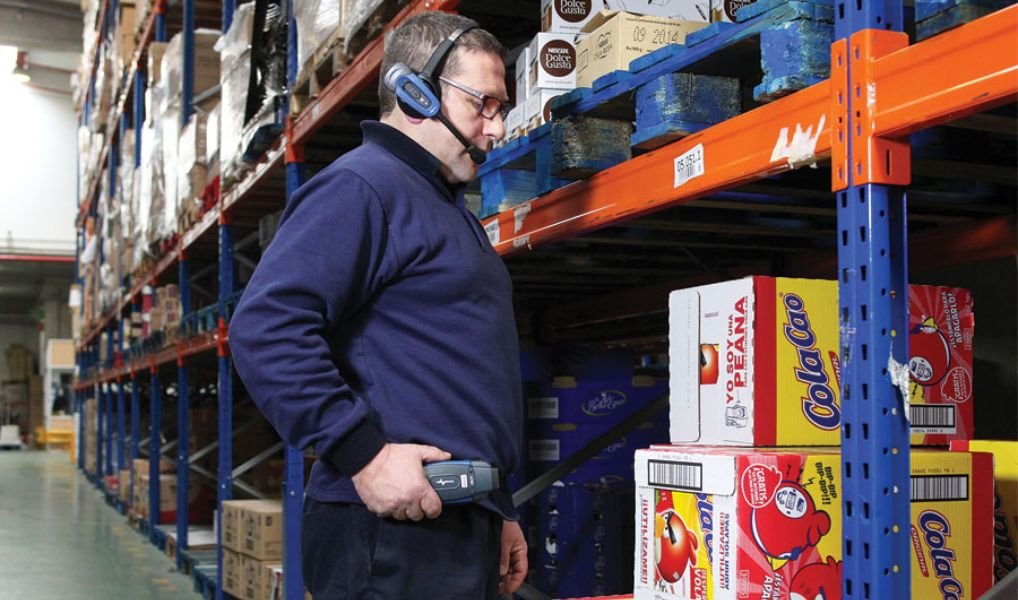
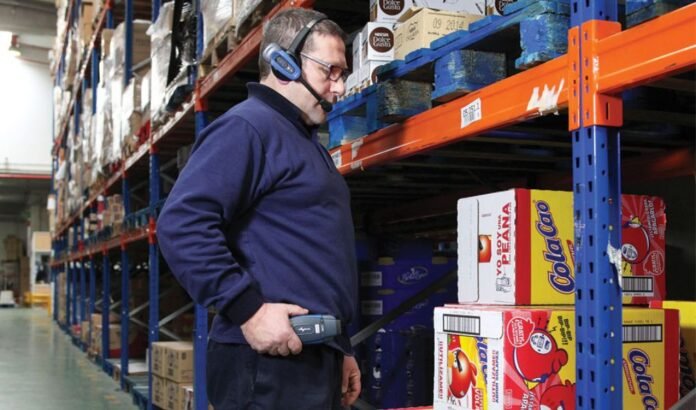
Specialists from STG, a company that offers technology solutions focused on the supply chain, emphasize that the implementation of technology in the food sector is necessary to achieve better warehouse management
In recent years, the food and beverage sector has faced challenges that require technological solutions, such as a voice selection system, to achieve efficient inventory management and avoid excess or shortage of products. Right now, proper logistics management plays a fundamental role in the food supply chain to improve the performance of your warehouses.
By 2022, the industry accounted for 26.2% of Peru’s industrial GDP, according to data Ministry of Economy and Finance (MEF); figures that reveal its importance in the local economy.
Ulrich Reiser, regional manager of STG in Peru, explains that given the influence of this sector and the growth of digital transformation, companies are more aware of the need to implement technological solutions in their operations, which allows them to increase productivity and ensure that customers receive products in good condition.
Faced with the fluctuations in demand that supermarket chains face; and efficient handling of food and beverages to ensure they stay fresh and reduce waste; Solutions such as voice selection can effectively address these changes. Using voice commands, they guide employees through their tasks to speed up the product selection process. In addition, by integrating into the warehouse management systems used by the company, they achieve better inventory management and order planning.
“The precision in product selection offered by this solution reduces the time of operation as well as the operational costs associated with product returns. Another of its advantages is that it facilitates traceability to achieve quality management and food safety,” emphasizes Reiser.
Common logistics challenges in the food and beverage sector:
Due to the fact that the products are perishable, this industry must meet very strict regulations to ensure quality and safety. Therefore, they require flexible and reliable logistics that adapt to their needs; such as storage and transportation at specific temperatures to maintain product freshness, among others.
In this vein, STG specialists explain the main logistics problems facing the logistics sector:
- Inventory management. Because of the variety and rotation of products combined with expiration dates, inventory management must ensure that the oldest products are sold first. On the other hand, the presence of frozen, fresh or dry products in the warehouse requires certain conditions for their storage and preservation. With proper inventory management, you can balance your storage costs and maintain an adequate supply of products.
- Supply chain visibility. The food industry processes a wide variety of products involving various actors. Having real-time visibility allows data to be transmitted from multiple points along the supply chain.
- Product tracking. Given the complexity of the sector, tracking systems such as the use of RFID, blockchain and other data management systems allow food safety and regulatory compliance to be ensured.
“There are many solutions that work together to optimize assets, materials and production methods; ensure tracking and efficiency of operations. In a sector like food, inventory management needs to be coordinated with suppliers and distributors to ensure that the supply chain is working properly,” Reiser concludes.